 By LA SAVEUR VANILLE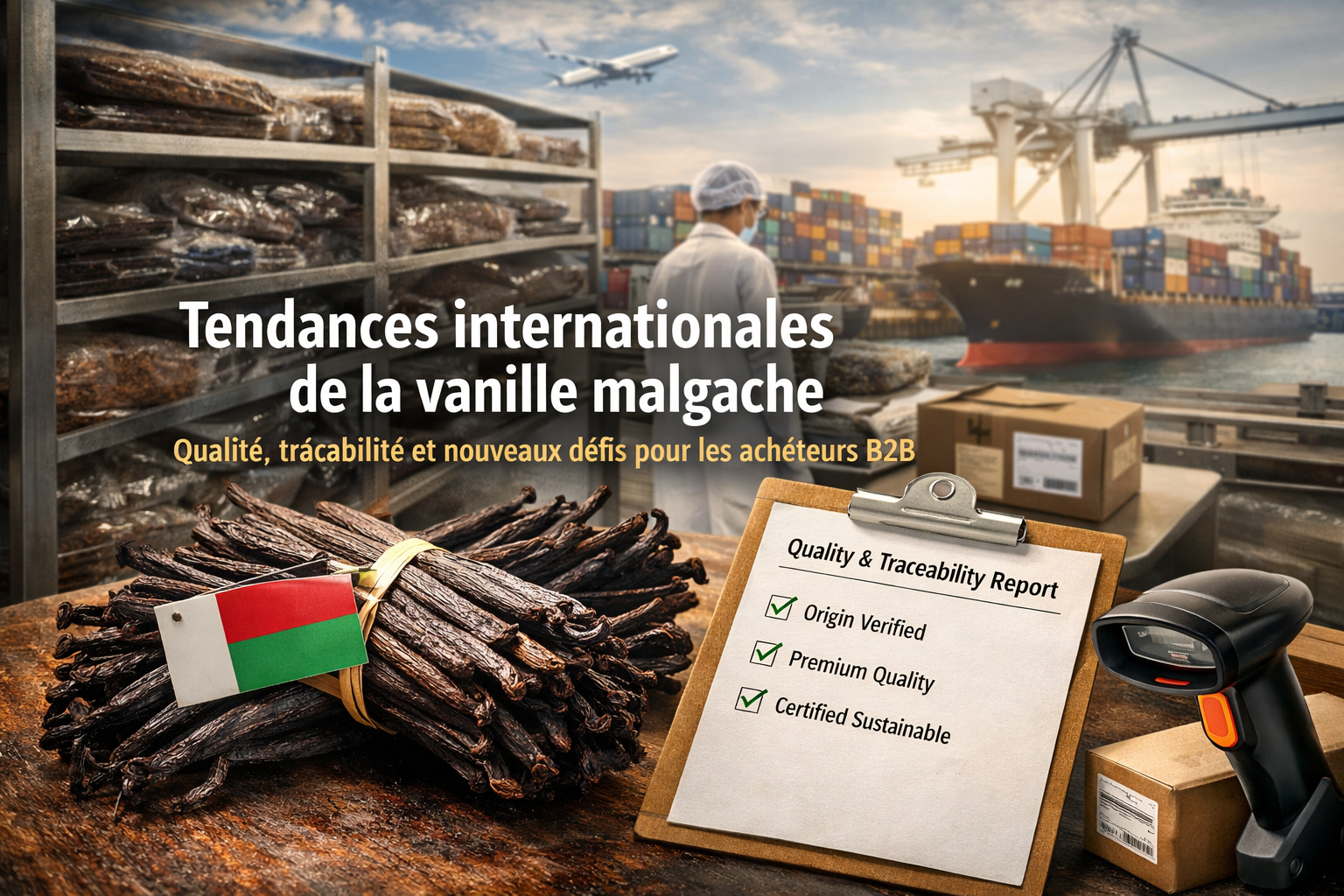
Madagascar vanilla, globally known as Bourbon Vanilla, remains the most sought-after natural vanilla origin in international food and flavor industries. Its aromatic complexity and high vanillin content make it a strategic ingredient for manufacturers of extracts, ice creams, beverages, chocolate, bakery products, and clean-label flavoring solutions.
Although demand for natural flavors continues to rise, the vanilla sector is currently shaped by oversupply, price pressure, and increasing compliance requirements, forcing B2B buyers to rethink sourcing strategies, quality control, and long-term procurement models.
1. Global Demand Dynamics for Natural Vanilla
Natural vanilla consumption in industrial food and flavor applications is growing, driven by:
- Expansion of natural aroma integration in premium food formulations
- Clean-label movements replacing synthetic flavoring components
- Rising use in functional beverages, dairy, confectionery, and cosmetics
However, demand growth remains linear and predictable, while Malagasy export volumes fluctuate sharply due to seasonality, curing capacity, and harvest cycles. This imbalance creates recurring stock congestion and market saturation at importer and processor levels.
2. Madagascar’s Position in the Industrial Supply Chain
Madagascar leads global vanilla supply, exporting the majority of cured Bourbon beans used for extraction and direct industrial processing.
Key characteristics that continue to secure demand from professionals:
- High vanillin rate compared to other origins
- Distinct Bourbon aromatic profile favored by extract manufacturers
- Established supplier networks with European and North-American importers
- Strong compatibility with food-grade industrial transformation (powder, paste, caviar, extract, oleoresin)
Despite this, the sector now faces structural constraints that influence purchasing decisions:
- Inconsistent lot homogeneity depending on curing partners
- Large inventory positions slowing new procurement absorption
- Pressure to renegotiate long-term contracts at lower price floors
- Increased competition from emerging origins improving curing standards (Indonesia, Uganda, PNG, etc.)
3. Quality & Traceability as B2B Buying Drivers
B2B agro-food buyers now prioritize:
Quality requirements
- Moisture-controlled beans (25–35%)
- Minimum defect rate, mold-free, well-cured and oily appearance
- Stable aromatic profile for extraction consistency
- Clean microbiological results for industrial transformation
Traceability & compliance expectations
- Farm-level sourcing transparency
- GPS or QR traceability linking producer → exporter → buyer
- Certifications or verifiable claims (Organic, Fair Trade, Sustainable Sourcing Programs, Child-Labor-Free Supply Chains)
- Auditable curing and export documentation standards
Buyers increasingly require exporters to prove not only bean quality, but also ethical and environmental supply chain governance.
4. Price Trends & Procurement Strategies for 2026
Market pricing has dropped dramatically from previous peaks, giving industrial buyers strong negotiation leverage.
Current purchasing behavior trends include:
- Bulk stock accumulation of extraction-grade beans at low entry prices
- Preference for framework supply contracts with progressive quality guarantees
- Diversification into multi-origin procurement baskets while keeping Bourbon for core extraction
- Exploration of structured pricing mechanisms (future commodity exchanges or indexed contracts) to reduce volatility risk
Premium vanilla demand still exists but is selective and limited to high-value industrial buyers, while most volumes purchased remain extraction or industrial-grade.
5. Sustainability & Long-Term Supplier Selection Criteria
Industrial buyers now expect:
- Zero-deforestation supply alignment
- Food-grade storage and curing safety certifications
- Responsible sourcing programs with community development impact
- Transparency and governance beyond simple commercial transactions
Companies in the vanilla value chain are strengthening auditing, digital traceability, and certification alignment to guarantee stable long-term supply reliability.
Conclusion
The international demand for Malagasy vanilla remains strong in industrial natural flavor applications, but B2B buyers are navigating a market shaped by overstock, falling prices, and rising compliance expectations.
Exporters that combine:
- Premium bean quality
- End-to-end traceability
- Auditable ethical sourcing standards
- Stable commercial contracts
…will be the most strategically positioned suppliers for agro-food and flavor industries in 2026.
Are you a B2B buyer, food manufacturer, or natural flavor processor? Discover reliable, traceable, export-ready Bourbon vanilla sourcing solutions from Madagascar. Contact us for pro-forma quotes and supply contract discussions.