 By LA SAVEUR VANILLE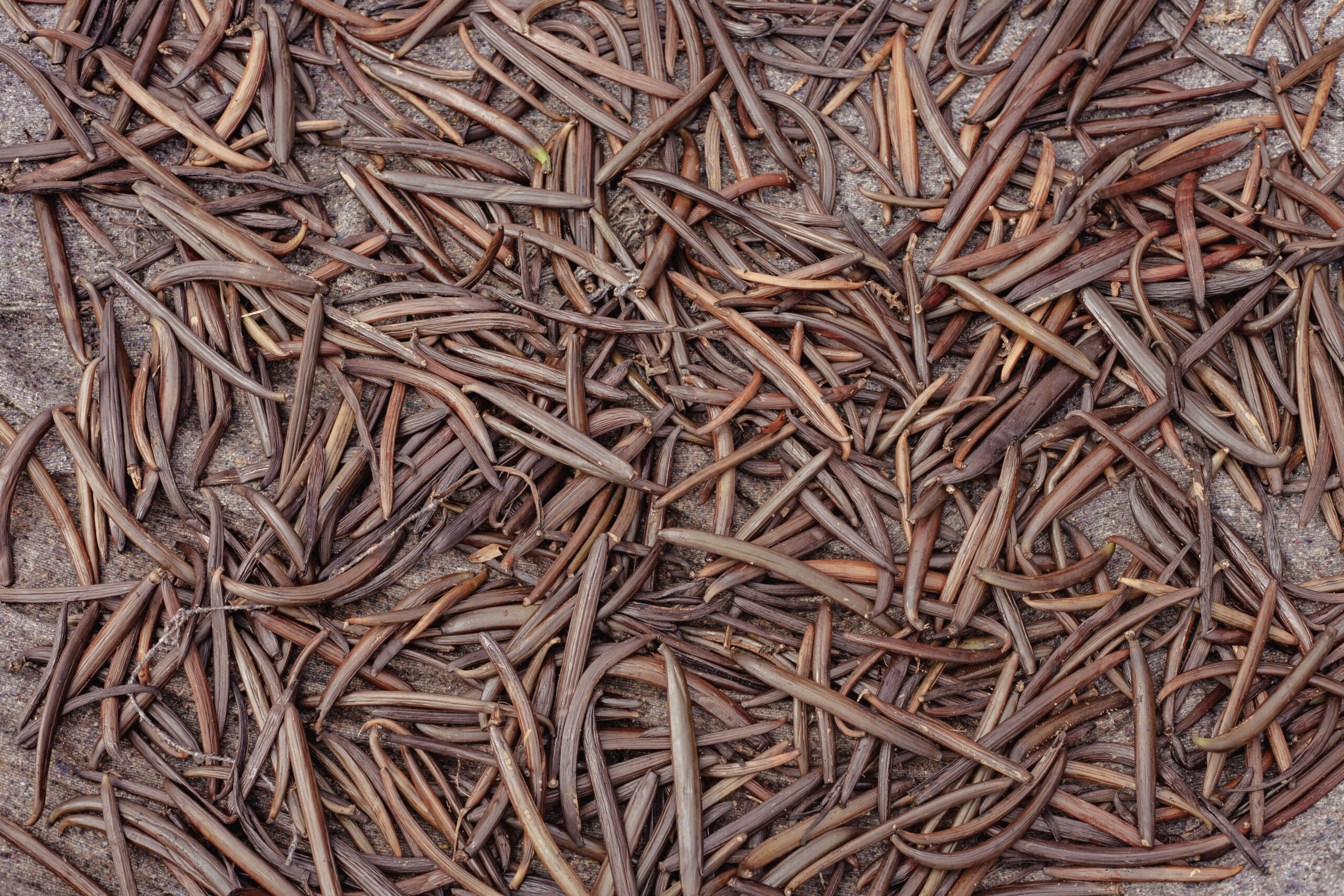
Madagascar vanilla is considered one of the finest in the world, prized for its aroma, flavor complexity, and unmatched quality. Yet many buyers – importers, chocolatiers, food manufacturers, chefs – still make a critical mistake: choosing their supplier based solely on price.
While price is always an important factor in B2B purchasing, it should never be the only criterion when sourcing a delicate, high-value product like Bourbon vanilla beans. Here are the key reasons why.
1. Low Prices Often Mean Lower Quality
The value of vanilla beans depends on several factors:
- proper maturity at harvest,
- traditional curing and drying process,
- moisture level,
- vanillin content,
- sorting accuracy and lot consistency.
Extremely cheap vanilla usually indicates:
- beans harvested too early,
- excess moisture to increase weight,
- mixed grades in the same lot,
- weak aroma due to low vanillin levels,
- poor curing practices.
Impact on the buyer:
Aroma fades quickly, shelf life decreases, and the beans offer poor results in extraction, pastry or food production.
2. High Moisture = High Risk of Mold During Transport
This is one of the most common issues in low-cost lots.
To keep prices attractive, some suppliers sell beans with much higher moisture than acceptable.
Consequences:
- mold growth during shipping,
- weight loss after natural drying,
- disputes, returns, or product destruction.
Best practice:
For export, a moisture level of 28–33% is ideal.
Reliable exporters control and measure the humidity of each batch before packaging.
3. Cheap Vanilla Often Means Poor or Incomplete Curing
Curing vanilla beans is a long and skilled process that determines aroma quality.
It requires:
- time (3 to 6 months),
- experience,
- careful management of sweating, drying, and conditioning.
Low prices typically mean:
- rushed curing stages,
- shortcuts in sun-drying or sweating,
- artificially inflated beans to appear heavier.
Such vanilla loses its aroma in a matter of weeks.
4. The Lowest Prices Usually Come From Unstructured Middlemen
The vanilla market in Madagascar includes many small traders who operate without a proper facility, license, or quality process.
Real risks:
- suppliers disappearing after receiving a deposit,
- inconsistent or incorrect documentation,
- customs issues,
- delayed shipments,
- lots not compliant with EU or US standards.
A structured supplier with a real operation—sorting, curing, quality control—may charge slightly more, but avoids almost all operational risks.
5. Cheap Vanilla Can Damage Your Brand Reputation
For premium food companies, chefs, and manufacturers, consistency is essential.
Using low-grade vanilla can negatively affect:
- taste quality,
- recipe stability,
- customer satisfaction,
- brand positioning.
A small saving on the beans can lead to significant losses on the final product and your professional image.
6. The “Real Cost” of Vanilla Is More Than the Price Per Kilo
An inexpensive lot often becomes more expensive after factoring in hidden losses:
- mold or decay during transport,
- weight reduction due to excess moisture,
- customs problems,
- low aromatic yield,
- inconsistent quality,
- customer complaints or product recalls.
The true cost of vanilla includes quality, yield, stability, and logistics, not just the invoice price.
7. What You Really Pay For When Choosing a Trusted Supplier
A serious and transparent Madagascar vanilla supplier offers more than beans. Their price includes:
- manual sorting and selection,
- a complete traditional curing process,
- precise moisture control,
- traceability of the beans (SAVA region, farm origin, lot identity),
- secure and food-grade packaging,
- fast and safe international shipping,
- a reliable after-sales service and quality guarantee.
At LA SAVEUR VANILLE, all quotes include DHL Express shipping and a 7-day quality guarantee upon delivery.
Conclusion: The Right Question Is Not “How Cheap Is the Vanilla?” but “What Quality Do You Get for That Price?”
Buying vanilla based only on price almost always leads to disappointment.
For professional buyers, the priority should be:
- product consistency,
- supplier reliability,
- food safety,
- traceability,
- stable aroma and yield.
A fair price reflects real, controlled quality – and ensures a long-term partnership built on trust.